EVENT
The Global Immersion Guarantee (GIG) Program
Connecting youth, education, and Pacific perspectives to global climate action.
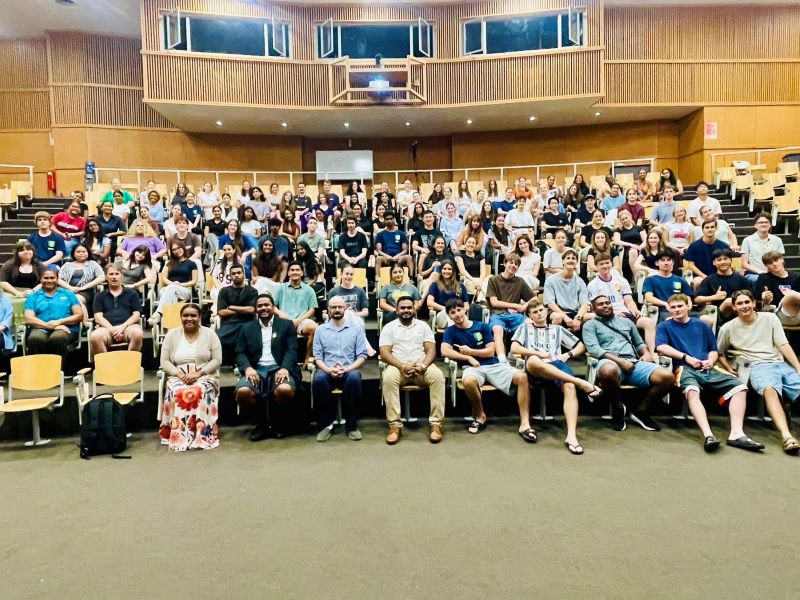
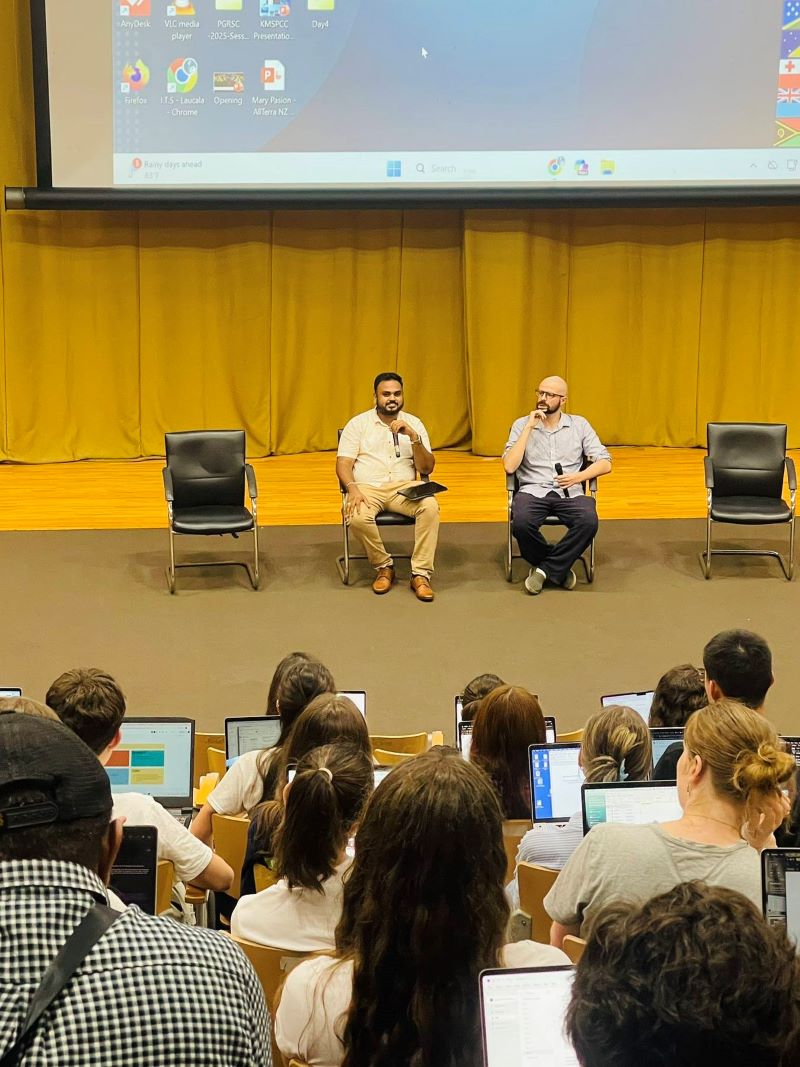
The Global Immersion Guarantee (GIG) Program recently hosted a panel discussion on “Youth Perspectives on Climate Change,” bringing together students, academics, and practitioners to examine climate change through social, environmental, and policy lenses.
The session formed part of the program’s two-week academic and experiential initiative focused on climate change, sustainability, and environmental justice. More than 90 students from disciplines including environmental science, policy, engineering, business, and social sciences participated, encouraging interdisciplinary dialogue and systems thinking around global climate challenges.
Pacific climate realities featured strongly in the discussion, highlighting that climate change is already a lived experience for many communities. Key issues raised included sea-level rise, coastal erosion, intensified cyclones, ecosystem degradation, food and freshwater insecurity, and climate-induced displacement—particularly affecting Small Island Developing States (SIDS), which contribute minimally to global greenhouse gas emissions yet face disproportionate impacts.
The panel also explored the social, cultural, and psychological dimensions of climate change, including impacts on traditional livelihoods, community identity, and intergenerational wellbeing. Indigenous and community-based knowledge systems were recognised as essential to effective, locally appropriate climate adaptation strategies.
Youth leadership was a central theme, with discussions emphasising young people as active contributors to climate solutions through innovation, advocacy, research, and community action. Participants stressed the importance of moving beyond symbolic engagement toward meaningful youth participation in decision-making and policy processes.
The forum further examined the links between ocean health, waste management, and climate resilience. Pallawish Kumar, a marine ecologist and Oceania Membership Manager of the Global Waste Cleaning Network (GWCN), participated in the session representing GWCN and highlighting how waste pollution and marine debris exacerbate climate impacts on ocean ecosystems. Community-led waste management initiatives were identified as an important component of climate resilience and environmental protection.
Overall, the session reinforced the role of education-driven platforms like the GIG Program in amplifying regional perspectives, fostering informed dialogue, and equipping young people to contribute meaningfully to global climate action.
%20Program/h2The%20University%20of%20South%20Pacific,%20Fiji%20/%2017%20December%202025pemConnecting%20youth,%20education,%20and%20Pacific%20perspectives%20to%20global%20climate%20action./em/ppThe%20strongGlobal%20Immersion%20Guarantee%20(GIG)%20Program/strong%20recently%20hosted%20a%20panel%20discussion%20on%20strong“Youth%20Perspectives%20on%20Climate%20Change,”/strong%20bringing%20together%20students,%20academics,%20and%20practitioners%20to%20examine%20climate%20change%20through%20social,%20environmental,%20and%20policy%20lenses./ppThe%20session%20formed%20part%20of%20the%20program’s%20two-week%20academic%20and%20experiential%20initiative%20focused%20on%20climate%20change,%20sustainability,%20and%20environmental%20justice.%20More%20than%2090%20students%20from%20disciplines%20including%20environmental%20science,%20policy,%20engineering,%20business,%20and%20social%20sciences%20participated,%20encouraging%20interdisciplinary%20dialogue%20and%20systems%20thinking%20around%20global%20climate%20challenges./ppimg%20src=https://gwcnweb.org/wp-content/uploads/2025/12/GIG26-5.jpg%20alt=%20width=800%20height=1067%20//ppPacific%20climate%20realities%20featured%20strongly%20in%20the%20discussion,%20highlighting%20that%20climate%20change%20is%20already%20a%20lived%20experience%20for%20many%20communities.%20Key%20issues%20raised%20included%20sea-level%20rise,%20coastal%20erosion,%20intensified%20cyclones,%20ecosystem%20degradation,%20food%20and%20freshwater%20insecurity,%20and%20climate-induced%20displacement—particularly%20affecting%20Small%20Island%20Developing%20States%20(SIDS),%20which%20contribute%20minimally%20to%20global%20greenhouse%20gas%20emissions%20yet%20face%20disproportionate%20impacts./ppThe%20panel%20also%20explored%20the%20social,%20cultural,%20and%20psychological%20dimensions%20of%20climate%20change,%20including%20impacts%20on%20traditional%20livelihoods,%20community%20identity,%20and%20intergenerational%20wellbeing.%20Indigenous%20and%20community-based%20knowledge%20systems%20were%20recognised%20as%20essential%20to%20effective,%20locally%20appropriate%20climate%20adaptation%20strategies./ppYouth%20leadership%20was%20a%20central%20theme,%20with%20discussions%20emphasising%20young%20people%20as%20active%20contributors%20to%20climate%20solutions%20through%20innovation,%20advocacy,%20research,%20and%20community%20action.%20Participants%20stressed%20the%20importance%20of%20moving%20beyond%20symbolic%20engagement%20toward%20meaningful%20youth%20participation%20in%20decision-making%20and%20policy%20processes./ppThe%20forum%20further%20examined%20the%20links%20between%20ocean%20health,%20waste%20management,%20and%20climate%20resilience.%20strongPallawish%20Kumar/strong,%20a%20marine%20ecologist%20and%20Oceania%20Membership%20Manager%20of%20the%20strongGlobal%20Waste%20Cleaning%20Network%20(GWCN)/strong,%20participated%20in%20the%20session%20representing%20GWCN%20and%20highlighting%20how%20waste%20pollution%20and%20marine%20debris%20exacerbate%20climate%20impacts%20on%20ocean%20ecosystems.%20Community-led%20waste%20management%20initiatives%20were%20identified%20as%20an%20important%20component%20of%20climate%20resilience%20and%20environmental%20protection./ppOverall,%20the%20session%20reinforced%20the%20role%20of%20education-driven%20platforms%20like%20the%20GIG%20Program%20in%20amplifying%20regional%20perspectives,%20fostering%20informed%20dialogue,%20and%20equipping%20young%20people%20to%20contribute%20meaningfully%20to%20global%20climate%20action./p)